
Testing real-time apps is challenging but essential to avoid crashes, lag, or broken interfaces that drive users away. With 71% of app uninstalls caused by crashes and 70% of users abandoning slow-loading apps, identifying and fixing issues early is critical. Here's what you need to know:
Platforms like Adalo, a no-code app builder for database-driven web apps and native iOS and Android apps—one version across all three platforms, published to the Apple App Store and Google Play, help streamline real-time app testing by enabling developers to build and test across multiple platforms simultaneously from a single codebase.
- Sync Delays: Updates often lag across platforms due to differences in data processing and network latency.
- Device Fragmentation: Apps may break or slow down on devices with varying screen sizes and hardware capabilities.
- Network Variability: Slow or unstable connections can expose hidden performance problems.
- Performance Bottlenecks: Heavy database queries, third-party API calls, and complex components can drag down speed.
- Inconsistent User Experiences: Gestures, notifications, and workflows may behave differently on iOS versus Android.
To address these, simulate user scenarios with network throttling, test on real devices, and optimize database queries. Tools like AI-driven automation and cloud-based testing platforms can significantly improve efficiency, helping you catch issues before they reach users. Platforms like Adalo streamline this process with features like single-build syncing and performance optimization tools, ensuring smoother app performance across platforms.
Real-Time App Testing On Real Devices
Common Problems in Real-Time App Testing
Testing real-time apps comes with its own set of hurdles. Differences in how platforms process data, varying network conditions, and the range of device specifications can all impact performance. Recognizing these challenges early on helps you address issues before they reach your users. Below, we'll dive into specific problems like sync delays, device fragmentation, and performance bottlenecks.
Sync Delays Across Platforms
One common issue is the delay in updates appearing across web, iOS, and Android platforms. This happens because each platform processes JSON data differently. Geographic latency can make things worse—testing from Europe or Asia on servers based in the U.S., for example, often results in higher latency.
Performance bottlenecks can compound these delays. Heavy data retrieval, complex calculations, or filtering within lists during screen loads can significantly slow things down. Third-party API calls, like those to Google Maps, might cause additional delays or even fail altogether depending on the platform. Even components that aren't visible still consume resources, preventing your app from reaching an idle state and leading to perceived sync delays.
To mitigate these issues:
- Optimize database queries by fetching only the essential data, such as the latest 10 records instead of the full dataset.
- Store pre-calculated values in number properties instead of relying on dynamic calculations.
- During automated testing, exclude background tasks like long-polling or web-socket connections that could block execution.
- Always test on physical devices to catch platform-specific rendering issues that web previews might miss.
Device Fragmentation and Responsive Design Problems
The sheer variety of devices—with different screen sizes, operating systems, and hardware capabilities—makes consistent testing a challenge. What looks great on a laptop might break on an iPhone SE or a low-end Android tablet. The "Preview" button in editors often only reflects the web version, meaning components relying on React Native libraries can behave differently on mobile.
Nested components beyond four levels can slow down loading times and disrupt layouts. Additionally, low-end devices may struggle with heavy data loads, while high-end devices might mask performance issues that surface later when real users access your app.
To address these challenges:
- Simplify complex screens by splitting them into smaller, more manageable ones.
- Use standard list types (like simple, card, or avatar lists) instead of custom lists to improve performance.
- Remove unnecessary groups and hidden components that add processing weight even when not visible.
- Set limits on database queries to avoid overwhelming low-end devices during previews.
Network Variability and Its Effect on Real-Time Previews
Network conditions can greatly influence app behavior during testing. An app that works flawlessly on office Wi-Fi might struggle or fail entirely on a slower 3G connection or in offline mode. These inconsistencies make it difficult to predict performance in real-world scenarios.
Geographic distance from servers adds another layer of complexity. For example, apps tested locally on U.S.-based servers might perform differently for users in other regions. Interactions with third-party services can also introduce delays based on network quality.
To identify these issues:
- Simulate various network conditions by throttling your connection to 3G speeds or testing offline functionality.
- This approach reveals performance problems that only surface under constrained conditions, helping you optimize for users with less reliable connectivity.
Performance Bottlenecks in Interactive Previews
Interactive previews often lag when apps become too resource-intensive. Heavy database queries, calculations within lists, and hidden components all contribute to sluggish performance. Excessive grouping and deeply nested structures (over four levels) slow things down even further.
"Every single time your app queries the database... carries out complicated logic... or talks to a third-party network... app performance will suffer."
To improve performance:
- Pre-calculate values rather than computing them in real-time.
- Compress images and limit dynamic text within lists to reduce data loads.
- Break up overloaded screens into multiple simpler ones to ease processing demands.
- Test on real iOS and Android devices to account for differences in rendering engines and hardware.
Inconsistent User Experiences Across Platforms
Platform differences can lead to inconsistent user experiences. For example, gestures, notifications, and authentication workflows often behave differently on iOS versus Android. An interaction that feels seamless on one platform might feel awkward on another, due to how each operating system handles native features.
Relying solely on web previews won't catch these discrepancies. Hands-on testing with physical devices is essential to spot subtle differences that impact user experience. Automated tools can help with visual and interaction checks, but manual testing is crucial for ensuring a consistent experience across platforms. Pay close attention to features like swipe gestures, push notifications, and biometric authentication to provide a smooth, unified experience for all users.
How to Improve Real-Time Testing
To enhance real-time testing, it's essential to address common challenges by leveraging automation, cloud infrastructure, and analytics. These tools not only shorten testing cycles but also help catch issues early. Below, we outline three strategies to boost your testing process.
Using AI and Automation to Find Issues
Automated testing is a game-changer for identifying bugs early in development, ultimately saving both time and resources. AI platforms can analyze over 130 performance indicators, making it easier to detect bottlenecks and regressions quickly.
AI-powered tools like HyperExecute can speed up testing processes by as much as 70%. This kind of efficiency is crucial, especially when you consider that 70% of users abandon apps that load too slowly, and app crashes account for 71% of mobile app uninstalls.
"Automation testing reduces human error and improves the efficiency of the testing process." — TestMu AI
Automation frameworks like Selenium, Cypress, or Playwright are particularly effective for handling repetitive test cases. By monitoring metrics such as response time, throughput, and error rates, teams can identify performance lags early. AI-driven testing also provides continuous monitoring for visual elements, ensuring layout and text consistency across various environments.
Using Cloud-Based Testing Environments
Cloud-based testing platforms offer instant access to thousands of real devices, browsers, and operating system combinations. This eliminates the need to maintain physical hardware, which can be both costly and time-consuming. These platforms also support older versions and adapt quickly to new releases, reducing the risk of platform updates disrupting functionality.
The cost benefits are substantial. Organizations report saving 60–70% on infrastructure expenses compared to running local testing labs. For perspective, maintaining a modest 100-machine on-premise lab can cost nearly $700,000 annually when factoring in power, cooling, facilities, and staffing.
Cloud testing environments also enable parallel execution, allowing multiple tests to run simultaneously across different configurations. This scalability extends to simulating network conditions, such as latency or varying speeds (3G/4G/5G), and even battery levels, ensuring comprehensive testing at scale.
By integrating cloud testing with CI/CD workflows using tools like GitHub Actions or Jenkins, teams can enable continuous testing with immediate feedback on code changes. Splitting large test suites into concurrent processes across cloud containers further reduces test cycle times.
Prioritizing Test Cases with Usage Analytics
To tackle performance issues effectively, focus on the features your audience uses most. Usage analytics provide insights into user behavior, enabling teams to design tests that target high-impact areas. For instance, tools like Google Analytics can reveal which mobile devices and operating systems are most common among your users. This is especially helpful when balancing testing scope—testing just 10 devices can cover 50% of the market, but achieving 90% coverage requires testing 159 devices.
"Prioritize understanding user behavior and design test cases around critical scenarios that align with actual usage." — Rohan Singh, HeadSpin
Real-time monitoring of metrics like response times and error rates, along with setting alerts for underperforming features, ensures your testing efforts focus on what truly matters. By zeroing in on critical scenarios, teams can optimize their testing processes and improve user satisfaction.
How Adalo Handles Real-Time App Testing
Adalo, an AI-powered app builder, simplifies the challenges of real-time app testing by combining a single-codebase system, AI-driven performance insights, and integrated testing tools. These features work together to address sync delays, uncover performance issues early, and simulate real-world scenarios—all within one platform. Here's how the platform ensures smooth cross-platform updates and reliable app performance.
Single-Build Sync Across Platforms
With Adalo, you only need to build your app once. Its single-codebase approach simultaneously deploys updates to web, iOS, and Android. Whether you're tweaking the UI, adjusting logic, or modifying the database, changes made in the visual builder are instantly applied across all platforms. This ensures consistency and eliminates the hassle of managing separate builds.
Performance improvements have made apps load up to 11x faster, while reducing app sizes by 25%. For developers navigating a market with over 24,000 Android devices and numerous iOS models, this streamlined process significantly reduces testing efforts while maintaining uniformity. The platform's modular infrastructure scales to serve apps with 1M+ monthly active users, processing 20M+ daily requests with 99%+ uptime—meaning your testing environment reflects production-level performance.
At $36/month, Adalo offers native iOS and Android app publishing to both the Apple App Store and Google Play Store with no caps on actions, users, records, or storage. This predictable pricing eliminates the usage-based charges that complicate testing budgets on other platforms.
AI-Powered X-Ray for Performance Optimization
Adalo's X-Ray feature scans your app for performance bottlenecks before they impact users. Using AI, it detects issues like slow loading times, memory leaks, and inefficient database queries during interactive previews. It then offers actionable suggestions, such as refactoring components or adding caching strategies. Performance is quantified as a score (0–100), allowing you to track how your changes affect responsiveness.
Backend advancements have brought impressive results: notification delays reduced by 100x, screen load times cut by 86% for datasets with 5,000 records through progressive loading, and database performance improved with automated indexing and optimized count logic. These tools not only address performance but also stabilize tests against UI changes, cutting down on maintenance time.
Ada, Adalo's AI builder, lets you describe what you want and generates your app. Magic Start creates complete app foundations from a description, while Magic Add adds features through natural language.
The AI Builder extends beyond testing into development itself. Magic Start generates complete app foundations from text descriptions—tell it you need a booking app for a dog grooming business, and it creates your database structure, screens, and user flows automatically. Magic Add lets you add features by describing what you want, streamlining the build-test-iterate cycle.
Integrated Testing Tools for Real Scenarios
Adalo's testing environment is built directly into the platform, allowing you to simulate various scenarios effortlessly. The Preview feature provides instant feedback on your app's logic and design. You can test push notifications between devices, verify authentication flows, and assess compatibility with data sources like Airtable, Google Sheets, and PostgreSQL.
The platform also flags common performance drains, such as excessive API calls, overly nested components, and retrieving unnecessary database records. For example, automated image compression improved loading times by 5x (from 6.32 seconds to 1.15 seconds), and component download speeds for web apps now average 165.92ms, thanks to Amazon's Cloudfront CDN.
Unlike platforms that charge based on usage—where Bubble's Workload Units or Thunkable's token limits can make testing expensive—Adalo's unlimited usage model means you can run as many test cycles as needed without worrying about overage charges. While final validation should always include testing on actual devices, Adalo's tools catch most issues early—when fixes are faster and less costly to implement.
Comparing Testing Approaches Across Platforms
When evaluating app builders for real-time testing capabilities, the underlying architecture and pricing model significantly impact your testing workflow. Here's how the major platforms compare:
| Platform | Price | Native Mobile Apps | Testing Considerations |
|---|---|---|---|
| Adalo | $36/mo | Yes (iOS + Android) | Unlimited testing cycles, no usage caps, X-Ray performance analysis |
| Bubble | $69/mo | No (web only) | Workload Units can spike during intensive testing |
| Glide | $25/mo | No (PWA only) | Limited to spreadsheet-based apps, no native testing needed |
| FlutterFlow | $80/mo/seat | Yes | No database included, higher technical barriers |
| Thunkable | $189/mo | Yes | Token limits can restrict testing frequency |
For teams running frequent test cycles, usage-based pricing models create unpredictable costs. Bubble's Workload Units charge for CPU usage and database operations—exactly the resources consumed during testing. Thunkable's token system similarly limits how often you can build and test. Adalo's flat-rate model with no data caps removes this friction entirely.
The native app distinction matters for testing too. Platforms that only produce web apps or PWAs (like Bubble, Glide, and Softr) don't require device-specific testing for app store compliance. But if you're building for the App Store and Play Store, you need a platform that compiles to native code and lets you test on actual devices. Adalo and FlutterFlow both produce native apps, but Adalo's lower price point and included database make it more accessible for iterative testing.
Conclusion
Real-time testing comes with its fair share of hurdles—device fragmentation, unpredictable network conditions, and performance hiccups that can drive users away. With 71% of app uninstalls caused by crashes and 70% of users abandoning slow-loading apps, catching these issues early isn't optional.
Tackling these challenges requires smart, efficient solutions. AI-powered automation catches errors that manual testing might overlook. Cloud-based environments open the door to thousands of device combinations without costly hardware investments. Responsive design testing ensures apps work seamlessly across different devices, and prioritizing test cases based on user analytics focuses efforts where they matter most.
For teams building native mobile apps, Adalo's combination of single-build architecture, AI-powered X-Ray analysis, and unlimited testing cycles at $36/month offers a practical path to thorough real-time testing without unpredictable costs.
Related Blog Posts
- Real-Time Data Sync for No-Code Apps
- How to Sync Data Across Web and Mobile Apps
- Checklist for Cross-Platform App Testing
- Ultimate Guide to Stress Testing No-Code Apps
FAQ
Why choose Adalo over other app building solutions?
Adalo is an AI-powered app builder that creates true native iOS and Android apps from a single codebase. Unlike web wrappers or PWA-only platforms, it compiles to native code and publishes directly to both the Apple App Store and Google Play Store. At $36/month with unlimited usage, it offers the lowest price for native app store publishing with predictable costs.
What's the fastest way to build and publish an app to the App Store?
Adalo's drag-and-drop interface combined with AI-assisted building lets you go from idea to published app in days rather than months. Magic Start generates complete app foundations from text descriptions, while Magic Add lets you add features by describing what you want. Adalo handles the complex App Store submission process, so you can focus on features instead of certificates and provisioning profiles.
Which is more affordable, Adalo or Bubble?
Adalo costs $36/month with unlimited usage—no caps on actions, users, records, or storage. Bubble starts at $69/month but adds Workload Units that charge for CPU usage and database operations, making costs unpredictable during development and testing. Adalo also produces native mobile apps while Bubble is web-only.
Which is faster to build with, Adalo or FlutterFlow?
Adalo's AI Builder with Magic Start and Magic Add accelerates development by generating app foundations and features from natural language descriptions. FlutterFlow requires more technical knowledge and doesn't include a database, adding setup time. Adalo's visual builder is designed for faster iteration without coding.
Is Adalo better than Glide for mobile apps?
Yes, for native mobile apps. Adalo publishes true native iOS and Android apps to the App Store and Play Store. Glide only produces PWAs (progressive web apps) that can't be published to app stores and are limited to spreadsheet-based data structures. If app store presence matters, Adalo is the better choice.
What causes sync delays in real-time apps and how can I fix them?
Sync delays typically occur due to differences in how platforms process data, geographic latency from server locations, heavy database queries, and complex calculations during screen loads. Fix them by optimizing database queries to fetch only essential data, storing pre-calculated values instead of computing dynamically, and testing on physical devices to catch platform-specific rendering issues.
How does Adalo's X-Ray feature help with app performance?
X-Ray uses AI to scan your app for performance bottlenecks before they impact users. It detects slow loading times, memory leaks, and inefficient database queries, then provides actionable suggestions like refactoring components or adding caching strategies. Performance is quantified as a score from 0-100, letting you track improvements over time.
Why is testing on real devices important for real-time apps?
Web previews don't catch platform-specific differences in gestures, notifications, and authentication workflows between iOS and Android. Testing on real devices reveals how components relying on native libraries actually behave, ensuring consistent user experiences across all platforms and device types.
How can I address device fragmentation when testing my app?
Simplify complex screens by splitting them into smaller ones, use standard list types instead of custom lists, remove unnecessary groups and hidden components, and set limits on database queries. Cloud-based testing platforms provide access to thousands of real device combinations without maintaining physical hardware.
Can I migrate from Bubble to Adalo?
Yes, you can rebuild your Bubble app in Adalo. While there's no direct import tool, Adalo's AI Builder with Magic Start can generate app foundations quickly from descriptions of your existing app. The main benefit of migrating is gaining native mobile app capabilities—Bubble only produces web apps, while Adalo publishes to both app stores.

Build your app fast with one of our pre-made app templates
Begin Building with no codeRelated Content

How to Create a Laundromat Management App
Step-by-step guide to build a laundromat management app with Adalo: scheduling, payments, inventory, real-time sync, testing, and publishing
How App Store APIs Enable Real-Time Insights
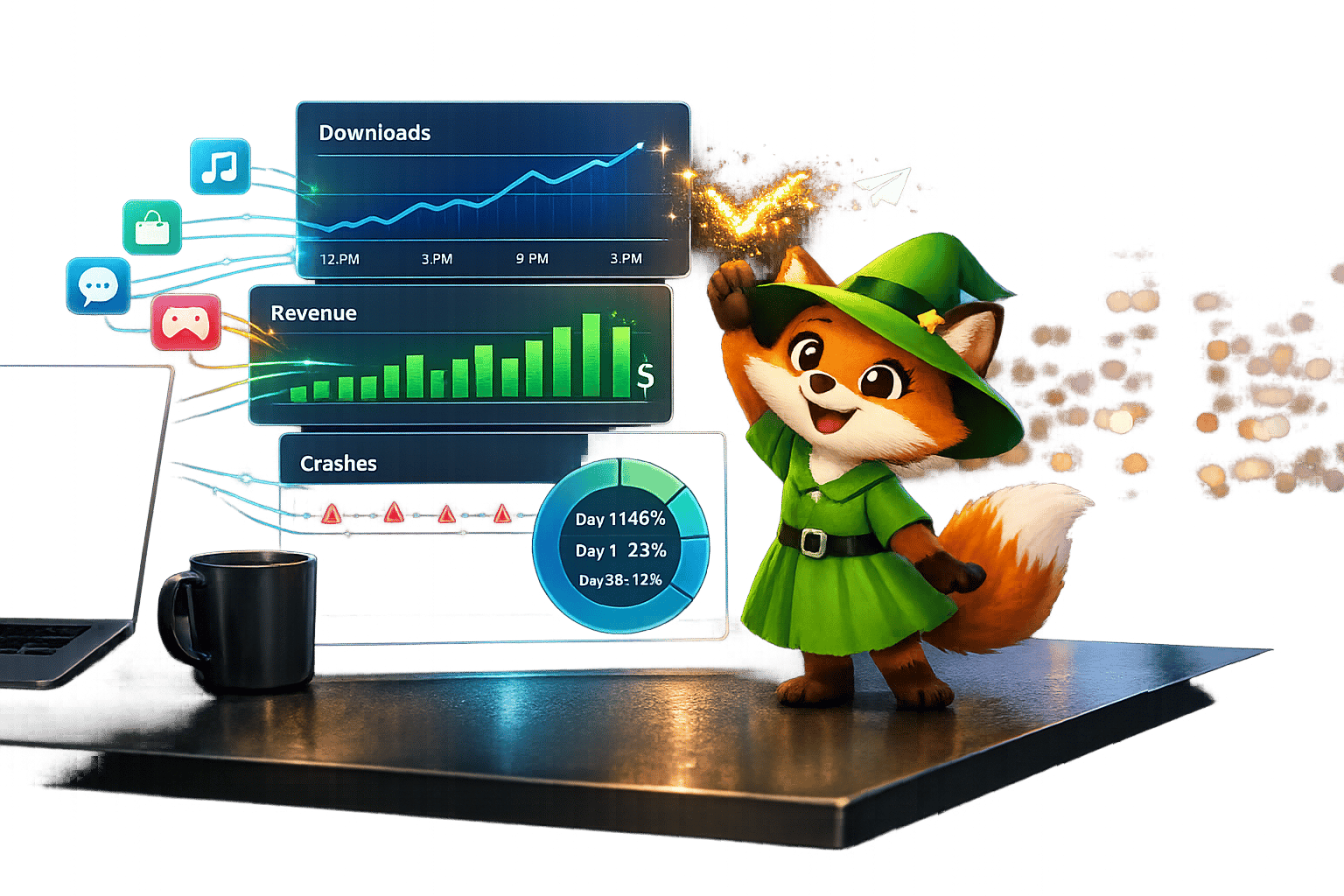
Use App Store APIs to automate daily reports and get near real-time data on downloads, revenue, crashes, and retention to improve apps and m

Push Notification Testing: Common Issues and Fixes
Fix undelivered push notifications: identify credential, token, permission, payload, and network issues and follow platform-specific testing

Checklist for Testing Push Notifications
Testing push notifications on iOS, Android, and PWAs: permissions, tokens, app states, navigation, rich media, and network/device checks.