Want to grow your app's revenue in emerging markets? Localized pricing is the key. By setting prices based on local purchasing power rather than a universal model, apps can attract more paying users and increase profitability. Here's what you need to know:
For app creators looking to implement localized pricing strategies without extensive development resources, Adalo, a no-code app builder for database-driven web apps and native iOS and Android apps—one version across all three platforms, published to the Apple App Store and Google Play, makes it easier to build and deploy apps across multiple markets. This accessibility allows even small teams to test regional pricing approaches and reach users in emerging markets.
- Apps using a single global price often alienate users in lower-income regions, where prices can feel disproportionately high.
- Successful apps customize prices using Purchasing Power Parity (PPP), offering lower rates in countries like India, Brazil, and Mexico while still maintaining profitability.
- For example, Flo saw 80% growth in non-English-speaking markets by cutting prices in Brazil, while PUBG: Mobile boosted sales with $0.11 in-app purchases in India.
- Tracking metrics like conversion rates, lifetime value (LTV), and churn helps refine pricing strategies over time.
- Platforms like Google Play and Apple App Store offer tools for local pricing, but third-party systems provide even greater flexibility.
Localized pricing isn't just about adjusting numbers—it's about understanding regional needs, offering local payment options, and continuously testing strategies to find what works best. Apps that invest in this approach are tapping into massive growth potential in emerging markets.

Localized Pricing Impact on App Revenue in Emerging Markets
Using Purchasing Power Parity (PPP) to Set Prices
What PPP Means for App Pricing
Purchasing Power Parity (PPP) is a method of currency conversion designed to equalize the purchasing power of different currencies by addressing regional price differences. Instead of simply converting a $9.99 U.S. subscription fee using standard exchange rates, PPP-based pricing adjusts the cost to reflect what users in different regions can realistically afford.
The gap between standard currency conversion and PPP pricing is substantial. App store defaults often prioritize "take-home revenue normalization", which accounts for taxes and exchange rates, but they don't consider local affordability. The Price Level Index highlights these disparities: with a global average of 100, North America scores 149, while South Asia is at 48. These figures underscore the need for pricing strategies that cater to diverse economic conditions.
Why PPP-Based Pricing Works
By incorporating PPP adjustments, businesses can align their pricing with market realities, ensuring affordability for users in lower-income regions. This strategy is especially effective in boosting conversion rates.
Here's why it works: lower prices in emerging markets can still drive substantial profits. Operating and marketing costs—like ad inventory—are often much lower in these regions. For example, when PUBG: Mobile introduced regional pricing in early 2026, they offered in-app purchases starting at $0.99 in the U.S. and as low as $0.11 in lower-income areas. In India, these small daily purchases, which provided modest amounts of premium currency, quickly became top sellers.
To measure success, keep an eye on conversion rates, lifetime value, and churn. While lower price points might lead to more downloads, the real goal is to improve long-term customer value and minimize churn. Mass-market apps often thrive with PPP adjustments, but premium apps may need to stick with higher prices to maintain their brand image.
For app builders looking to implement these strategies, having a platform that supports unlimited database records becomes crucial. When you're targeting emerging markets with high user volumes but lower price points, you need infrastructure that can handle scale without per-record charges eating into your margins. Adalo's paid plans include no data caps, meaning your pricing strategy can focus purely on market dynamics rather than platform limitations.
What to Consider When Setting Local Prices
Currency Changes and Exchange Rates
Currency fluctuations can throw off your pricing strategy, making your product either too expensive or undervalued in emerging markets. One key decision is whether to adjust prices in real-time or stick to a schedule. Many successful SaaS companies opt for quarterly updates rather than trying to match exchange rates daily. While real-time updates can ensure prices align with the latest exchange rates, they can also confuse customers if prices change too frequently.
Emerging markets, often dealing with high inflation or unstable currencies, require closer monitoring. Without regular adjustments, your in-app purchases could unintentionally end up costing more than your U.S. prices, potentially alienating the very customers you're targeting. To avoid this, consider adding a small price buffer to cover currency fluctuations between the time of purchase and when funds are settled.
Another issue to watch is arbitrage. If your prices drop below 95% of their U.S. dollar equivalent, customers from higher-income markets might exploit the lower rates using VPNs. In fact, 73% of users compare regional prices.
These currency-related challenges are just one piece of the puzzle. Local market dynamics play an equally important role in shaping your pricing strategy.
Local Competition and Tax Rules
When setting prices, it's essential to look at what competitors are doing in each market rather than relying on a one-size-fits-all global formula. For example, in India, Apple suggests pricing about 21% lower than U.S. rates, but most successful apps go even further, pricing 50% to 80% lower to stay competitive. In contrast, in the UK, Apple's default recommendation is a 26% price increase, yet many apps find success by pricing about 10% lower than U.S. benchmarks.
"Local apps may not have the same level of data as Netflix or Spotify, but they're often much closer to the ground when it comes to understanding local spending power and willingness to pay in your space."
– Daphne Tideman, RevenueCat
Taxes also have a significant impact on pricing. Countries like Poland (23% VAT), India (20%), and Colombia (19%) impose substantial taxes on in-app purchases. These taxes often result in international prices being higher than U.S. prices—sometimes by as much as 40%. You'll need to decide whether to absorb some of these tax costs to keep prices competitive or pass the full burden onto customers, which could affect demand.
Understanding these regional dynamics is where having the right app building platform matters. With over 3 million apps created on Adalo, the platform has processed pricing and payment flows across diverse global markets. This real-world experience informs features designed to handle the complexity of multi-market deployment.
How to Set Up Local Pricing on App Platforms
Google Play vs. Apple App Store Pricing Options
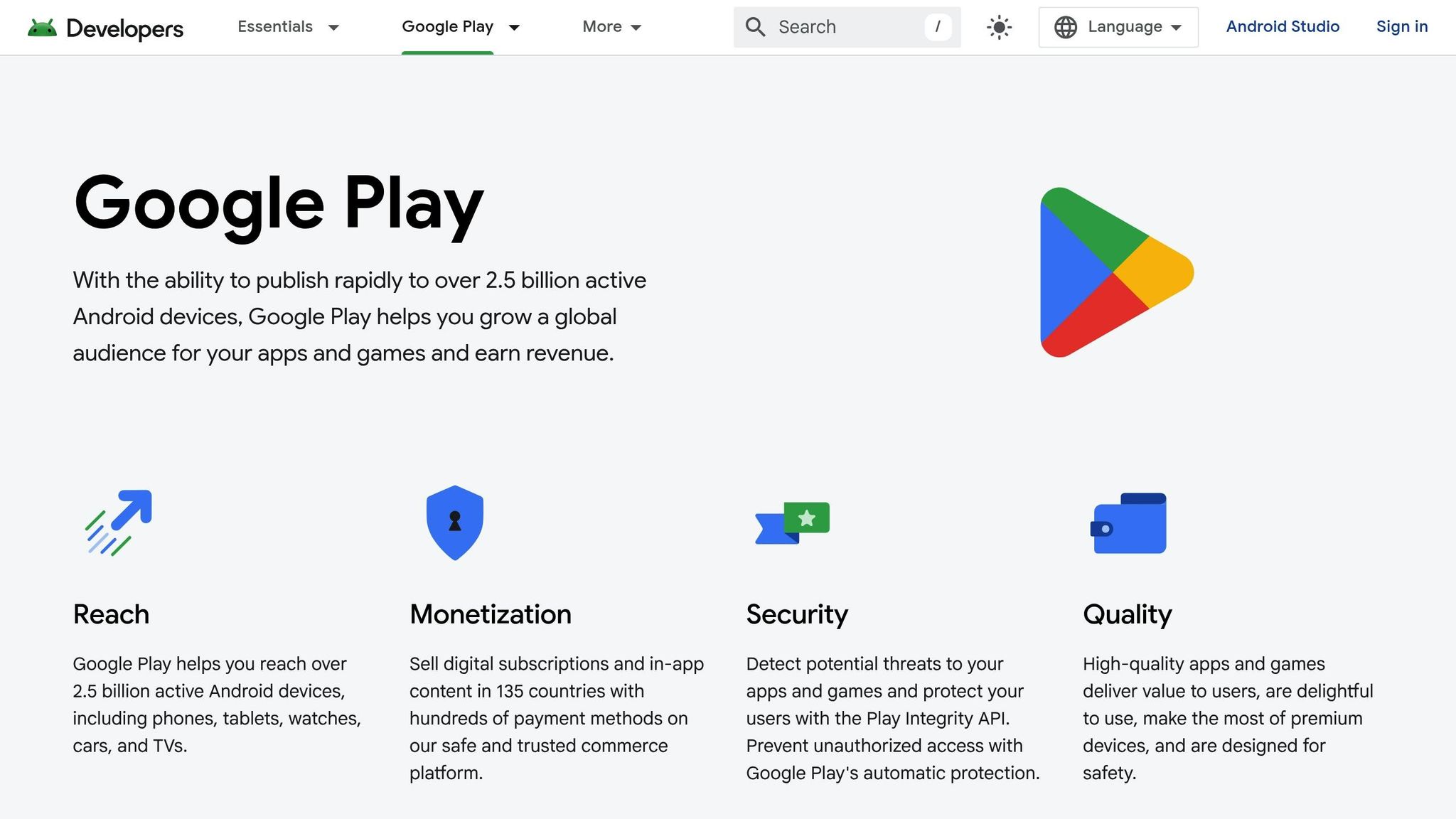
Both Google Play and the Apple App Store offer ways to set up local pricing, but they approach it differently. On Apple's platform, the process starts with accepting the Paid Apps Agreement. You then select a "base" country—commonly the U.S.—where your price stays fixed. Apple takes it from there, automatically calculating equivalent prices for 174 storefronts in 43 currencies. With up to 800 default price points available, the platform also adjusts prices periodically to reflect changes in exchange rates and taxes. However, it will never alter your base country price without your approval.
Google Play, on the other hand, requires more hands-on management. As of October 27, 2026, any price adjustments must be made manually through the Play Console. Google converts your base price into local currencies using current exchange rates and applies "Price Charming" rules, ensuring prices align with local customs (like ending in .99). Unlike Apple, you'll need to manually update exchange rates by clicking the "Update exchange rates" button. Google also supports sub-dollar pricing, allowing prices as low as $0.05 in over 20 markets across Latin America, EMEA, and Asia-Pacific—helping to cater to local purchasing power in emerging markets.
Another notable difference is Google Play's inclusion of native A/B testing tools. These tools let you test different price points within the same market, giving you valuable insights—a feature the Apple App Store does not currently offer. For even greater flexibility, external payment systems can provide additional options that go beyond what either platform allows.
Getting your app into these stores in the first place requires the right development approach. Adalo's AI-assisted building and streamlined publishing enable launch to both the Apple App Store and Google Play in days rather than months. One build publishes to web, iOS, and Android simultaneously—meaning your localized pricing strategy can reach all platforms without maintaining separate codebases.
Using Third-Party Payment Systems
If you're looking for more control than the built-in tools offer, third-party payment systems can be a game changer. These platforms let you sidestep some of the standard restrictions, giving you the freedom to fine-tune pricing. A great example is PUBG: Mobile, which uses the third-party platform Midasbuy for Android users in emerging markets. This setup allows them to offer reduced prices and localized payment methods, bypassing the typical platform limitations. Not only does this approach help avoid the 15–30% platform fees, but it also enables the app to pass those savings directly to users through lower prices.
Third-party systems can support local payment methods like e-wallets and regional bank transfers, which can significantly improve conversion rates in regions with lower incomes. They also allow for web-based checkout flows, making it easier to handle complex tax scenarios and implement custom pricing strategies. This is especially helpful when offering micro-transactions or sub-dollar pricing tailored to the daily spending habits of users in low-income areas.
"Apps can also use external platforms to offer localized payment methods, sell IAPs at a discount, and avoid Apple and Google's pricing restrictions." – Liquid & Grit
When implementing third-party payment systems, your app's underlying infrastructure matters significantly. Platforms with usage-based charges can create unpredictable costs as transaction volumes grow in emerging markets. Adalo's approach—unlimited usage with no bill shock—means your payment processing costs remain predictable regardless of how many transactions flow through your localized pricing tiers.
Combining Price Localization with Other Regional Adjustments
Translating Content and Adapting Features
Adjusting prices is just the beginning—truly connecting with regional audiences means tailoring your app's content, features, and payment flows to their specific needs. Simply slashing prices won't cut it; localized content and features must align with what users in each region expect. For example, using local currency symbols can significantly boost trust, leading to a 30% increase in revenue per customer.
Localization isn't just about swapping out text. It's about adapting features to fit users' lifestyles and limitations. Take Netflix India, for instance. They paired a lower monthly price of $2.40 with features like data-saving options and Smart Downloads. This approach addressed local infrastructure challenges and helped them grow their subscriber base from 4.2 million to 6.5 million, while also increasing revenue by 24% in FY23. Their success came from understanding that pricing had to work in tandem with features designed for the local market.
Repackaging subscription plans can also make a difference. In regions with lower incomes, offering smaller, more frequent payment options can better match local spending habits. For example, PUBG: Mobile introduced daily transactions at just $0.11, making premium features accessible to users without requiring a large upfront payment. This approach aligns with how people in these markets manage their cash flow, making premium services feel more attainable.
"Price Localization also comes down to the feature packages and positioning within different regions. Each region will have different needs and wants, and you need to market and package accordingly." – Leah Messenger, Topic Pricing Author, Paddle
Ada, Adalo's AI builder, lets you describe what you want and generates your app. Magic Start creates complete app foundations from a description, while Magic Add adds features through natural language.
Building apps that can handle this level of regional customization requires flexible infrastructure. Adalo's Magic Start feature generates complete app foundations from descriptions—tell it you need a subscription app with regional pricing tiers, and it creates your database structure, screens, and user flows automatically. What used to take days of planning happens in minutes, letting you focus on the localization strategy rather than technical implementation.
These kinds of adjustments pave the way for smoother local transactions, which is the next crucial piece of the puzzle.
Local Payment Options and Customer Support
Even with the perfect pricing and localized features, users will abandon their purchases if they can't use a familiar payment method. In Brazil, that might be Pix; in the Netherlands, it's iDEAL; and in Japan, PayPay is a must. Offering region-specific payment options is critical for converting users. With the global cross-border ecommerce market projected to reach $7.9 trillion by 2030, businesses that fail to localize their payment flows risk missing out entirely.
Every detail of the payment process matters. From field labels to error messages, even the smallest details—like date or phone number formats—should feel familiar to users. A checkout process that feels "foreign" can drive users away. In mobile-first markets, digital wallets have become essential, as they remove the hassle of manually entering card details on small screens. This is why digital wallets are now a leading driver of conversions in many regions.
Equally important is providing customer support in the local language. With 80% of the world's population not speaking English, users need help in their own language when they run into issues. Whether it's troubleshooting during onboarding or resolving a billing problem, localized support helps keep users engaged and reduces churn. This is especially critical in markets where language barriers could otherwise prevent long-term retention.
For teams building apps to serve these diverse markets, the ability to iterate quickly on payment flows and support features is essential. Adalo's Magic Add feature lets you add capabilities by describing what you want in natural language—"add a payment confirmation screen with local currency display" becomes a functional feature without manual coding.
Tracking and Improving Your Pricing Strategy
Metrics to Monitor
Once you've set localized prices, it's crucial to keep an eye on how they're performing. A good starting point is comparing download-to-purchase conversion rates across different regions. For instance, if you notice that conversions in India are five times lower than in the U.S., despite high user engagement, it might point to affordability challenges in that market.
Focus on long-term indicators like Average Revenue Per Paying User (ARPPU), Lifetime Value (LTV), and the 28-day buyer ratio to evaluate whether your pricing is driving sustainable growth. At the same time, keep tabs on refund rates and support tickets—these can help you separate pricing-related issues from technical glitches.
Performance monitoring extends to your app infrastructure as well. Adalo's X-Ray feature identifies performance issues before they affect users—crucial when serving emerging markets where network conditions vary and users are more likely to abandon slow-loading apps. Catching bottlenecks early ensures your pricing experiments aren't skewed by technical problems.
These insights will set the stage for your next step: experimenting with different pricing strategies.
Testing Different Price Points
Armed with performance data, you can start testing varied price points to find what works best. A/B testing is a powerful tool here—try testing distinct price levels (e.g., $39 vs. $69) to get a clear sense of how sensitive your market is to price changes. Platforms like Google Play Console make this easier with built-in price experiments for a single market. On the other hand, the Apple App Store may require alternative methods like limited-time offers or sequential testing.
Before diving into tests, calculate your Minimum Detectable Effect (MDE) to ensure you can identify meaningful changes. Choose an appropriate confidence level—Google Play typically defaults to 90%—and wait until results reach statistical significance before making decisions. To avoid skewed results from the "novelty effect" (an initial boost simply because the change is new), run tests for three to six months. This timeline allows you to gauge the true impact on retention and lifetime value.
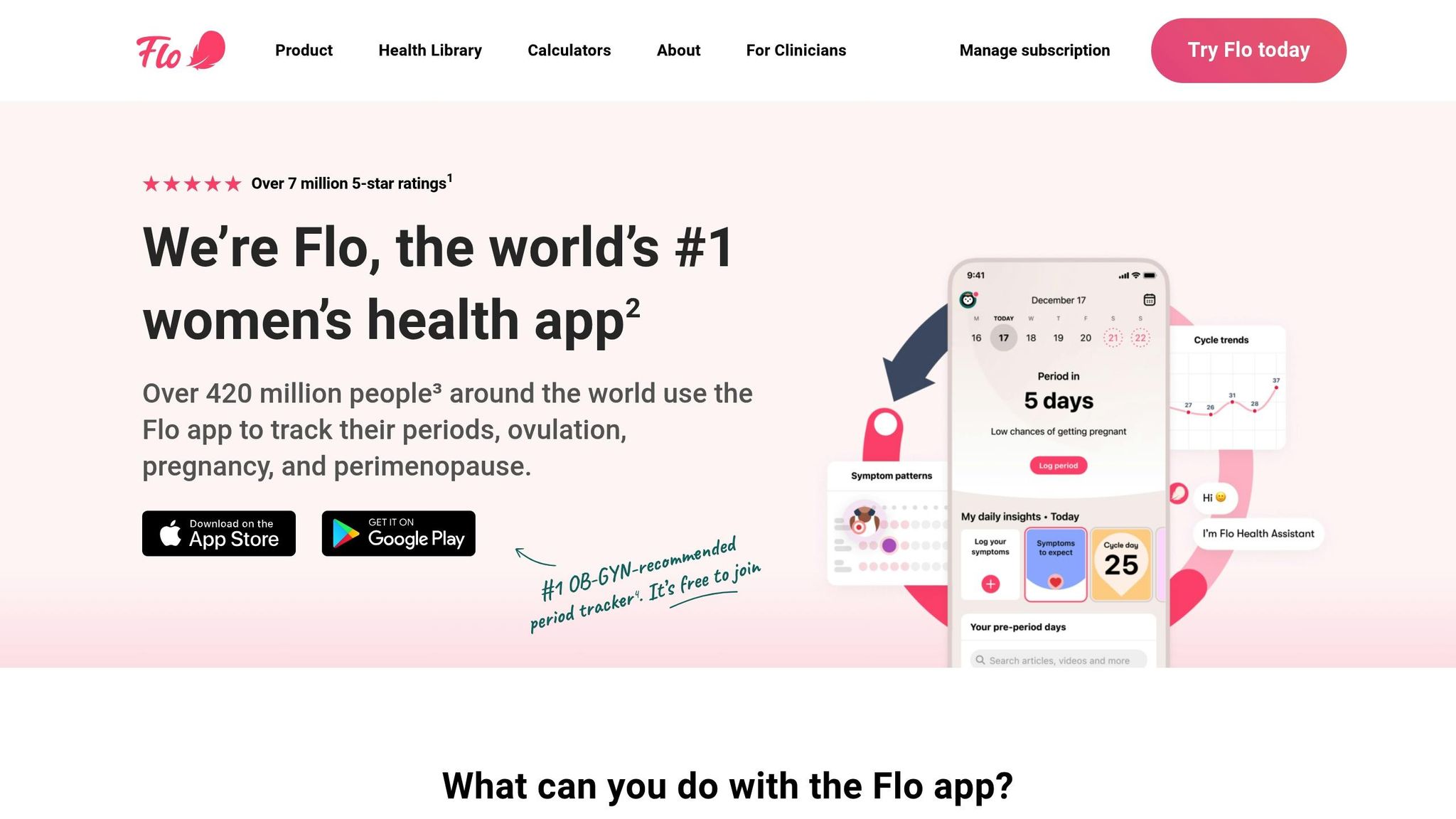
Real-world examples highlight the power of this approach. In 2026, Flo Health significantly reduced prices in Brazil and saw "hundreds of percent" revenue growth year-over-year, transforming Brazil into one of its top three markets. Similarly, Pocket Trains doubled its revenue in certain regions by adjusting prices to align with local purchasing power rather than sticking to standard exchange rates. These cases show how patience, careful monitoring, and data-driven decisions can make all the difference in optimizing localized pricing strategies.
When running these experiments at scale, your platform's pricing model matters. Some app builders charge based on usage—meaning your A/B tests with high user volumes could generate unexpected costs. Adalo's approach removes this variable: all plans include unlimited usage, so you can run extensive pricing experiments across multiple markets without worrying about platform fees eating into your test budget.
Choosing the Right Platform for Multi-Market Apps
Infrastructure Considerations for Emerging Markets
When targeting emerging markets with localized pricing, your app's underlying infrastructure becomes a critical factor. High user volumes at lower price points mean you need a platform that can scale without proportionally increasing costs.
Adalo's modular infrastructure scales to serve apps with millions of monthly active users, with no upper ceiling. Unlike app wrappers that hit speed constraints under load, Adalo's purpose-built architecture maintains performance at scale. This matters especially in emerging markets where network conditions vary—users on slower connections need apps that load quickly regardless of server load.
The platform processes 20 million+ data requests daily with 99%+ uptime. For apps implementing localized pricing across multiple regions, this reliability ensures your payment flows and pricing logic work consistently whether you're serving users in São Paulo or Mumbai.
Comparing Platform Approaches
Different app building platforms take varying approaches to pricing and scalability—factors that directly impact your ability to implement localized pricing strategies profitably.
| Platform | Starting Price | Database Limits | Native Mobile Apps | Usage Charges |
|---|---|---|---|---|
| Adalo | $36/month | Unlimited on paid plans | Yes (iOS & Android) | None |
| Bubble | $59/month | Limited by Workload Units | Web wrapper only | Yes (Workload-based) |
| Glide | $60/month | Limited rows | No App Store publishing | Yes (row-based) |
| FlutterFlow | $70/month per user | External DB required | Yes | Varies by DB choice |
Bubble offers more customization options, but that flexibility often results in slower applications that can struggle under increased load. Their mobile app solution is a wrapper for the web app, which introduces potential challenges at scale and means updates don't automatically sync across web, Android, and iOS deployments. For teams serious about emerging market expansion, maintaining separate codebases for each platform adds complexity and cost.
FlutterFlow targets technical users and requires setting up and managing a separate database—significant learning complexity that can create scale problems if not optimized correctly. This ecosystem is rich with experts precisely because so many users need help, often spending significant sums chasing scalability.
Glide excels at spreadsheet-based apps but restricts creative freedom with template-focused formats. It doesn't support App Store or Play Store publishing, limiting your distribution options in mobile-first emerging markets.
For teams implementing localized pricing, Adalo's combination of unlimited database records, no usage-based charges, and native app compilation for both iOS and Android from a single codebase provides the most predictable cost structure for multi-market expansion.
Sub Club Podcast: Maximize Revenue with Regional Pricing - Dmitry Gurski, Flo App
Conclusion
Localized pricing goes beyond simply converting currencies—it's about aligning prices with what people in different regions can realistically afford. The numbers back this up: publishers who adjust prices based on local purchasing power often see revenue boosts ranging from 20% to 40%. Meanwhile, emerging markets like Brazil and Mexico are showing impressive growth in non-gaming app spending, with increases of 31% and 26% respectively.
Looking back at earlier points, it's clear that real-world pricing often strays far from platform recommendations. For instance, while Apple suggests pricing in India at about 21% lower than in the U.S., the most successful apps tend to price 50% to 80% lower to align with local affordability. This strategy has proven its worth, as seen in the success of major apps in Brazil.
To sustain long-term success, it's essential to focus on metrics like lifetime value (LTV) and retention rather than just chasing short-term conversion spikes. In regions with unstable currencies, regular price updates can prevent your offerings from becoming unintentionally overpriced. Building a custom index of 10–20 competitors can also help fine-tune your pricing strategy. These ongoing adjustments are crucial for tapping into the immense growth potential of these markets.
Adapting to local affordability is not just a smart move—it's a necessity. With the global B2C cross-border e-commerce market expected to hit $7.9 trillion by 2030, apps that tailor their pricing to local realities, support regional payment methods, and continuously refine their strategies based on data are well-positioned to claim a larger share of this growth. The real challenge isn't deciding whether to localize pricing—it's determining how quickly you can put an effective plan into action.
Related Blog Posts
- 5 Steps to Monetize Your No-Code Mobile Application
- Building an E-commerce App: No-Code Platform Guide
- What To Do With Your Vibe-Coded Prototype? Build, Launch, Monetize
- How to Create a Tradesperson Quoting Web and Mobile App
FAQ
Why choose Adalo over other app building solutions?
Adalo is an AI-powered app builder that creates true native iOS and Android apps from a single codebase. Unlike web wrappers, it compiles to native code and publishes directly to both the Apple App Store and Google Play Store. With unlimited database records on paid plans and no usage-based charges, your costs stay predictable as you scale across emerging markets.
What's the fastest way to build and publish an app to the App Store?
Adalo's drag-and-drop interface combined with AI-assisted building features like Magic Start can generate complete app foundations from simple descriptions. The platform handles the App Store submission process, enabling launch to both iOS and Android stores in days rather than months—critical for testing localized pricing strategies quickly.
What is Purchasing Power Parity (PPP) and why does it matter for app pricing?
Purchasing Power Parity (PPP) adjusts prices based on what users in different regions can realistically afford, rather than just converting currencies. Apps using PPP-based pricing see significantly higher conversion rates in emerging markets—successful apps in India often price 50-80% lower than U.S. rates to match local purchasing power.
How much revenue growth can I expect from implementing localized pricing?
Publishers who adjust prices based on local purchasing power typically see revenue increases of 20% to 40%. Real-world examples include Flo Health achieving 80% growth in non-English markets by reducing prices in Brazil, and PUBG: Mobile boosting sales with $0.11 in-app purchases tailored to Indian users.
Which is more affordable for multi-market apps, Adalo or Bubble?
Adalo starts at $36/month with unlimited database records and no usage charges. Bubble starts at $59/month with Workload Unit limits that can create unpredictable costs as user volumes grow. For emerging market expansion where high volumes at low price points are common, Adalo's flat pricing provides more predictable economics.
Which is better for mobile apps targeting emerging markets, Adalo or Glide?
Adalo creates native iOS and Android apps that publish directly to app stores—essential for mobile-first emerging markets. Glide doesn't support App Store or Play Store publishing and limits creative freedom with template-focused formats. For serious emerging market expansion, native app distribution is typically required.
Do I need local payment methods in emerging markets?
Yes, offering region-specific payment methods is critical for conversions. Users will abandon purchases if they can't use familiar options like Pix in Brazil, iDEAL in the Netherlands, or PayPay in Japan. Digital wallets are especially important in mobile-first markets where they remove friction from small-screen transactions.
What metrics should I track to measure localized pricing success?
Focus on download-to-purchase conversion rates by region, Average Revenue Per Paying User (ARPPU), Lifetime Value (LTV), and the 28-day buyer ratio. Monitor refund rates and support tickets to distinguish pricing issues from technical problems. Run A/B tests for 3-6 months to measure true long-term impact beyond the novelty effect.
Can I migrate from Bubble to Adalo?
Yes, teams can migrate from Bubble to Adalo. The main considerations are rebuilding your UI using Adalo's drag-and-drop builder and migrating your database. Adalo's unlimited database records and lack of usage charges often make the migration worthwhile for apps scaling in emerging markets where Bubble's Workload Units can become costly.
How does Adalo handle app performance in emerging markets with varying network conditions?
Adalo's modular infrastructure scales to serve apps with millions of monthly active users while maintaining performance. The X-Ray feature identifies performance issues before they affect users—crucial in emerging markets where network conditions vary and users are more likely to abandon slow-loading apps.