Why Adalo Works for Building a Basecamp Clone
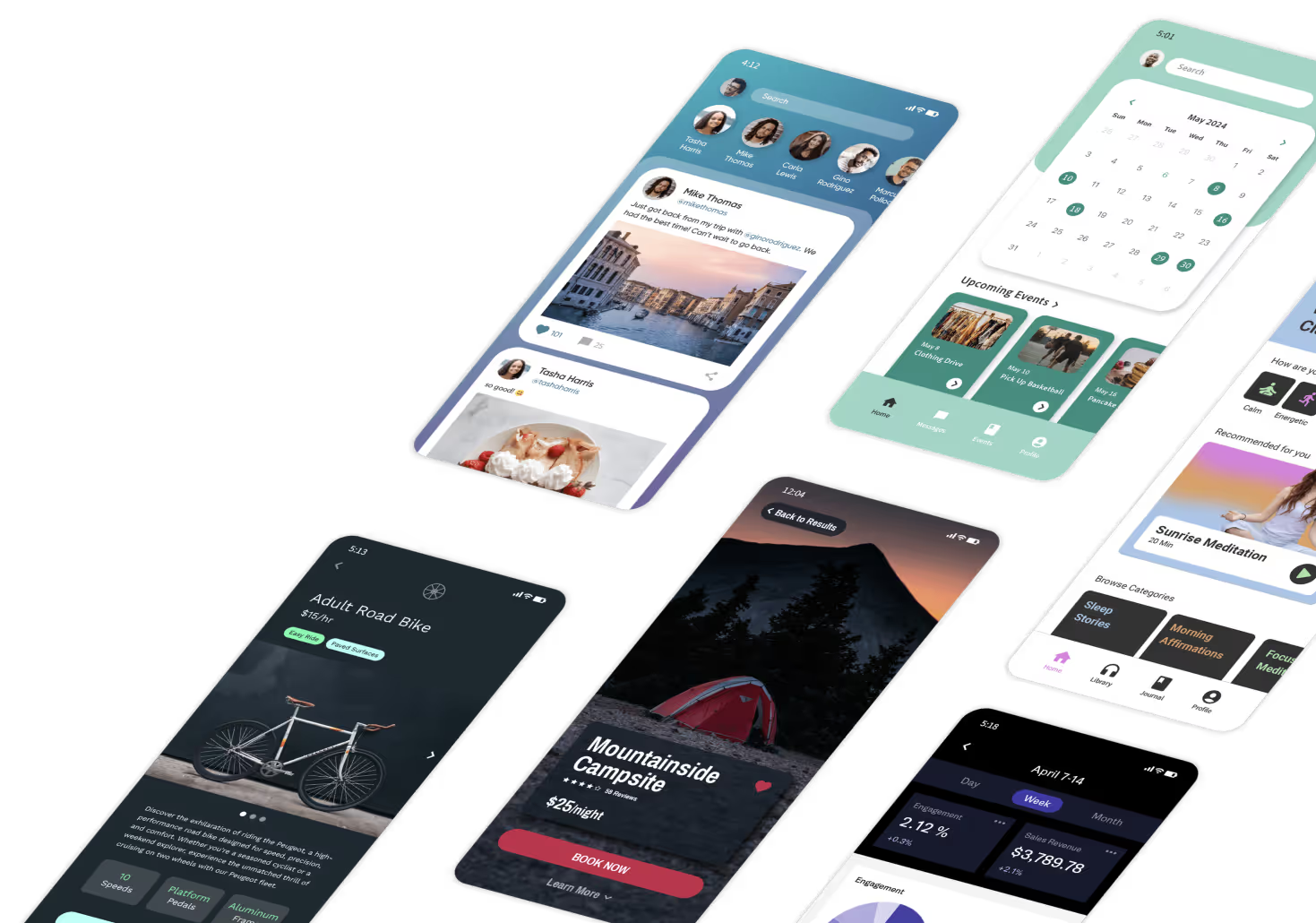
Adalo is a no-code app builder for database-driven web apps and native iOS and Android apps—one version across all three platforms, published to the Apple App Store and Google Play. This unified approach is exactly what a Basecamp-style project management tool requires, since teams need consistent access to tasks, discussions, and files whether they're at their desks or on the go.
Having your project management app available in the app stores transforms how teams collaborate. Push notifications alert members to new task assignments, message replies, and approaching deadlines instantly—eliminating the friction of constant email monitoring. With Adalo handling the cross-platform complexity, you can concentrate on building workflows that genuinely reflect how your team operates.
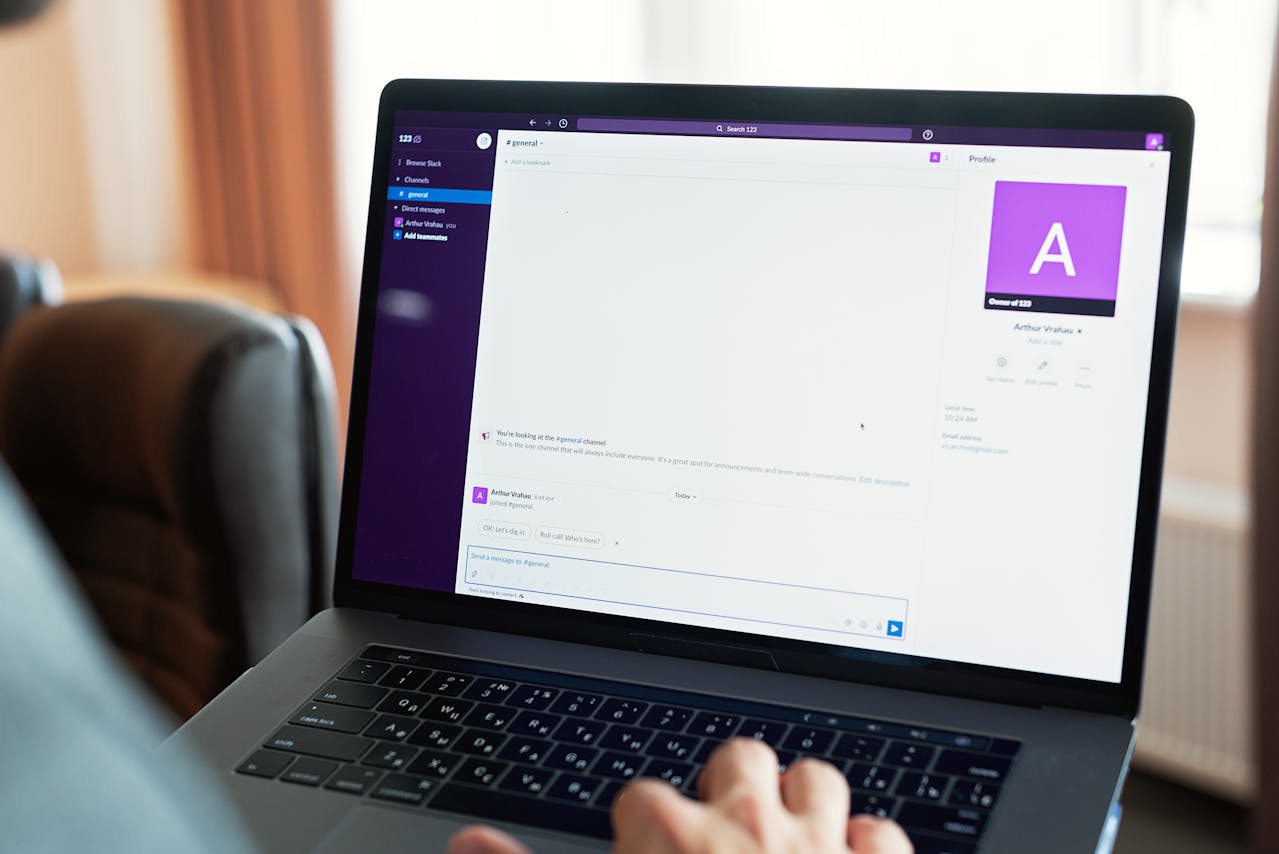
Building a project management tool that works seamlessly across desktop browsers and mobile devices typically requires maintaining separate codebases, coordinating releases, and wrestling with platform-specific quirks. Adalo, an AI-powered app builder, eliminates this complexity by letting you create one app that publishes to web, iOS App Store, and Android Play Store from a single project. For a Basecamp-style workflow where teams need instant access to tasks, messages, and files regardless of device, this cross-platform approach means everyone stays aligned without the overhead of managing multiple applications.
Publishing your project management app to the app stores means team members can receive push notifications for task assignments, message replies, and upcoming deadlines—keeping everyone aligned without constant email checks. With Adalo handling the technical infrastructure, you can focus on designing workflows that match how your team actually works.
Ada, Adalo's AI builder, lets you describe what you want and generates your app. Magic Start creates complete app foundations from a description, while Magic Add adds features through natural language.
This tutorial walks you through creating a functional project management app using Adalo's visual builder. You'll replicate Basecamp-style essentials—task management, message boards, file sharing, and simple roles—without writing code. The platform's AI features like Magic Start can generate your initial app foundation from a description, accelerating what used to take days of planning into minutes.
Why Adalo Works for Building a Project Management App
Project management apps demand robust data relationships—users connect to projects, projects contain tasks, tasks have comments, and files attach to everything. Adalo's built-in relational database handles these connections natively, with no record limits on paid plans. This means your team can scale from a handful of projects to thousands without hitting storage walls or paying overage fees.
The platform's modular infrastructure scales to serve apps with millions of monthly active users, with no upper ceiling. Unlike app wrappers that hit speed constraints under load, Adalo's purpose-built architecture maintains performance at scale—critical when your entire team depends on the app for daily coordination.
What Is a Basecamp Clone and Why Build One with an AI-Powered App Builder
Basecamp combines task tracking, team communication, file sharing, and scheduling into one workspace. Building your own version with Adalo lets you tailor the workflow to your team while keeping data ownership and reducing implementation complexity.
Core Features You'll Replicate
- To-Do Lists: create, assign, schedule, and track tasks
- Message Boards: threaded team discussions per project
- File Storage: centralized uploads with attribution
- Calendar & Milestones: due dates and key events
- User Roles: simple admin/member permissions
Why Choose an AI-Powered Builder Over Custom Development
Traditional development requires coordinating frontend developers, backend engineers, and DevOps—plus separate teams for iOS and Android if you want native apps. Adalo's AI-assisted platform replaces large portions of hand-coding with visual builders and prebuilt integrations. Magic Start generates complete app foundations from descriptions, while Magic Add lets you add features by simply describing what you want.
Timelines and costs vary by team and scope, but many teams find they can validate an MVP far faster than with traditional development. Over 3 million apps have been created on Adalo, with users describing the visual builder as "easy as PowerPoint."
Set Up Your Adalo Account
Step 1: Create Your Account & App
- Go to Adalo.com → Sign Up
- Verify your email, then click Create New App
- Pick Mobile App or Web App (web is convenient for desktop collaboration)
- Name your app (e.g., "ProjectHub") → Start from Scratch or use Magic Start to generate a foundation
If you choose Magic Start, describe your project management app in plain language—"a team collaboration tool with tasks, message boards, and file sharing"—and Adalo generates your initial database structure, screens, and user flows automatically.
Design Your Database Structure
A clean relational model prevents duplication and makes filtering/permissions easier. Adalo's database supports unlimited records on paid plans, so you can design for growth without worrying about hitting caps.
Step 2: Enhance the Users Collection
Add fields (Database → Users → + Add Property):
- Full Name (Text)
- Profile Image (Image)
- User Role (Text) – e.g., Admin, Member
- Department, Job Title, Phone Number (optional)
- Notification Preferences (True/False)
Step 3: Create Projects
Fields:
- Project Name (Text)
- Description (Long Text)
- Status (Text) – Planning, Active, On Hold, Completed
- Start Date, Target End Date, Actual End Date (Date/Time)
- Project Color (Text) for visual tags
- Created Date (Date/Time – Automatic)
Step 4: Create Tasks
Fields:
- Task Name (Text)
- Description (Long Text)
- Priority (Text) – Low, Medium, High, Urgent
- Status (Text) – To Do, In Progress, Review, Done
- Due Date (Date/Time)
- Estimated Hours, Actual Hours (Number)
- Created Date, Completed Date (Date/Time)
Step 5: Create Messages
Fields:
- Message Title (Text)
- Message Body (Long Text)
- Message Type (Text) – Announcement, Discussion, Update
- Is Pinned (True/False)
- Created Date, Edited Date (Date/Time)
Step 6: Create Comments
Fields:
- Comment Text (Long Text)
- Created Date, Edited Date (Date/Time)
Step 7: Create Files
Fields:
- File Name (Text)
- File (File Upload)
- File Type (Text)
- File Size (Number)
- Uploaded Date (Date/Time – Automatic)
Step 8: Add Relationships
Projects
- Project Owner → Users (Many Projects → One User)
- Team Members → Users (Many↔Many)
- Tasks → Tasks (One Project → Many Tasks)
- Messages → Messages (One → Many)
- Files → Files (One → Many)
Tasks
- Project → Projects (Many → One)
- Assigned To → Users (Many → One)
- Created By → Users (Many → One)
- Comments → Comments (One → Many)
Messages
- Project → Projects (Many → One)
- Posted By → Users (Many → One)
- Comments → Comments (One → Many)
Comments
- Optional Task → Tasks (Many → One)
- Optional Message → Messages (Many → One)
- Commenter → Users (Many → One)
Files
- Project → Projects (Many → One)
- Uploaded By → Users (Many → One)
Build Core Screens
Step 9: Welcome / Auth
- Welcome: logo/image, tagline, buttons → Sign Up and Login
- Sign Up: Form (Users) → Email, Password, Full Name, User Role → on submit → Dashboard
- Login: Login form → on submit → Dashboard
Step 10: Dashboard
- Top bar: app name, New Project button, user avatar
- Stats cards:
- Active Projects (Projects where Status = Active)
- My Open Tasks (Tasks Assigned To = Logged In User AND Status ≠ Done)
- Overdue Tasks (Due Date < Today AND Status ≠ Done)
- Completed This Week (Status = Done AND Completed Date within last 7 days)
- Recent Projects list: Team Members contains Logged In User → sort newest first
Step 11: All Projects (Filterable)
- Filters: Status (All/Active/Planning/Completed) + Search by name
- List item: name, status badge, team avatars, progress bar
- Edit/Delete buttons visible only to Admins
Step 12: Project Details
- Header: name, description, status
- Tabs:
- Tasks: list Tasks where Project = Current; group by status; quick "New Task" modal
- Messages: list Messages (pinned first); open thread view
- Files: list Files (name/uploader/size/date) with download/delete
- Team: team roster; admins can add/remove members
Step 13: Task Details
- Inline edit: Task Name, Status, Priority
- Fields: Description, Due Date, Assigned To, Estimated/Actual Hours
- Comments: list + input to add
- Actions: Mark Complete (sets Status=Done & Completed Date), Delete (permissioned)
Create & Manage Tasks (CRUD)
Step 14: New Task Modal
- Form (Tasks): Task Name (required), Description, Priority, Due Date, Assigned To
- On submit:
- Create Task
- Link to Current Project
- Set Created By = Logged In User
- Default Status = "To Do"
- Close modal & refresh
Step 15: Quick Status & Assignee Updates
- In task rows: Status dropdown → Update Current Task → if Done, set Completed Date = Now
- Assignee dropdown: project team members → Update Assigned To
- Optional drag-and-drop: use a marketplace Kanban component (see below)
Step 16: Conditional Delete
- Show Delete Task only if:
- Logged In User is Admin OR
- Logged In User = Created By
- Confirm → delete → return to Project
Roles & Permissions
Step 17: Visibility Rules
- Create Project buttons: show if Role = Admin
- Edit Project: show if Role = Admin OR Logged In User = Project Owner
- Delete Project: Admin only
- Task editing: allowed if (Assigned To = Logged In User OR Created By = Logged In User) or Admin override
- Message moderation: users can edit/delete own; Admins (and optionally Project Owner) can pin or moderate any
Step 18: Team Invitations
- In Project → Team tab: Invite Member (select a user) → add to Team Members
- Optional: send in-app or push notification
Integrations & Payments
Step 19: Zapier (Notifications & Automation)
- Enable Zapier
- Useful Zaps:
- New Task → Slack message / Email
- Task assigned → Email to assignee
- Due soon → Reminder
- Project completed → Team summary
Step 20: External Data (Scale with Xano/Airtable)
- Use External Collections
- Backends: Xano, Airtable
- Benefits: custom APIs, advanced queries, integration with existing systems
Step 21: Stripe (Premium Plans)
- Install Stripe integration
- Add Subscription Plans collection (Plan Name, Price, Features, Stripe Price ID)
- Upgrade screen:
- Display plans → Stripe payment component
- On success: set user plan; gate premium features via visibility rules
Marketplace Components (Kanban, Calendar)
Step 22: Kanban Board View
- Browse the Marketplace for "Kanban/Board"
- Add to Project Details as an alternative view
- Columns: To Do / In Progress / Review / Done
- Enable drag-and-drop to update Status
Step 23: Calendar / Timeline
- Install a Calendar component
- Show task due dates & milestones
- Click events → open Task Details
- For Gantt-style timelines, use a premium component or external data source and embed the view
Testing & Feedback
Step 24: Preview & Device Testing
- Click Preview in the builder
- For mobile: use the Adalo preview app to scan the QR code and test on a device
- Validate auth flows, permissions, performance, and error states
Adalo's X-Ray feature identifies performance issues before they affect users—highlighting slow queries or inefficient data relationships so you can optimize proactively.
Step 25: Structured QA
- Auth: sign up, login, reset password
- Projects: create/edit/delete (admin only), add team
- Tasks: create/update/assign/complete/delete
- Messages/Files: post, pin, upload, download, delete
- Permissions: verify role-specific visibility and actions
Step 26: Collect Feedback
- Invite a small pilot group
- Provide tasks ("Create a project and assign 3 tasks", "Post a message", "Upload a file")
- Gather notes via a feedback form or quick interviews
- Prioritize fixes by frequency, severity, and effort
Publishing to Web, iOS, and Android
Step 27: Web App
- On a paid plan with custom domains, open Publishing → Web
- Configure favicon, SEO, and analytics
- Set up custom domain (DNS as instructed; SSL is automatic)
- Domain pricing varies by registrar—check your provider
Step 28: Apple App Store (iOS)
Requirements:
- Apple Developer account ($99/year)
- Icons, screenshots, privacy policy URL, listing metadata
Process:
- Adalo → Publishing → iOS
- Upload assets & metadata
- Generate IPA
- Upload to App Store Connect (Transporter)
- Submit for review
- Note: Apple does not guarantee review times; many reviews complete within a few days, but timing varies
More: Adalo iOS publishing
Step 29: Google Play (Android)
Requirements:
- Google Play Developer account (one-time $25)
- Icons, screenshots, privacy policy, content rating
Process:
- Adalo → Publishing → Android
- Upload assets & metadata
- Generate AAB (App Bundle; required for new apps)
- Upload to Play Console, complete listing & questionnaires
- Submit for review
- Note: Timelines vary (often a few days, longer for new accounts)
More: Adalo Android publishing
One of Adalo's key advantages: unlimited app updates once published. Unlike platforms that restrict republishing, you can push updates to your web, iOS, and Android apps as often as needed without additional charges.
Why Adalo Works Well for Basecamp-Style Project Management
- Built-in relational DB: Users ↔ Projects ↔ Tasks ↔ Messages/Comments ↔ Files with no data caps — Database help
- Cross-platform publishing: Ship to iOS, Android, and web from one project — Adalo product
- Marketplace components: Kanban boards, calendars, charts, advanced lists — Marketplace
- Integrations: APIs, webhooks, external data/services — Custom Actions · External Collections
Cost & Resources
- Adalo plans: Starting at $36/month with unlimited usage and app store publishing — https://www.adalo.com/pricing
- Stripe fees (optional monetization): vary by region/method; U.S. online cards are typically ~2.9% + $0.30 — https://stripe.com/pricing
- Developer programs: Apple $99/year — https://developer.apple.com/programs/ · Google Play $25 one-time — https://play.google.com/console/about/
Additional Resources
- Adalo Help Center — https://help.adalo.com/
- Adalo Marketplace — https://www.adalo.com/marketplace
- External Collections — https://help.adalo.com/integrations/external-collections-with-apis
- Custom Actions — https://help.adalo.com/integrations/custom-actions
- Optimize Performance — https://help.adalo.com/performance/optimize-app-performance
- Xano Integration — https://www.adalo.com/integrations/xano
- Airtable Integration — https://www.adalo.com/integrations/airtable
- Zapier — https://zapier.com/ · Make — https://www.make.com/
- iOS Publishing — https://www.adalo.com/ios-app-apple-app-store
- Android Publishing — https://www.adalo.com/native-android-app-google-play-store
Note: This Basecamp-style build is a prototype using Adalo's UI and database. For true real-time collaboration, email-in & advanced notifications, granular/enterprise permissions (SSO/SCIM), Gantt/hill charts, and large-scale file storage, extend with external backends (e.g., Xano), storage (e.g., AWS S3, Google Cloud Storage) via External Collections / Custom Actions, and handle heavy processing server-side. Always test performance on real devices and confirm your privacy/compliance posture (e.g., GDPR/CCPA) before publishing.
FAQ
Why choose Adalo over other app building solutions?
Adalo is an AI-powered app builder that creates true native iOS and Android apps. Unlike web wrappers, it compiles to native code and publishes directly to both the Apple App Store and Google Play Store from a single codebase—the hardest part of launching an app handled automatically.
What's the fastest way to build and publish an app to the App Store?
Adalo's drag-and-drop interface and AI-assisted building let you go from idea to published app in days rather than months. Magic Start generates your app foundation from a description, and Adalo handles the complex App Store submission process so you can focus on features instead of certificates and provisioning profiles.
Can I build a project management app without coding?
Yes. Adalo's visual builder lets you create task management, message boards, file sharing, and user roles without writing code. The platform handles database relationships, user authentication, and cross-platform publishing automatically.
How long does it take to build a Basecamp-style project management app?
With Adalo's AI features like Magic Start generating your foundation, you can have a functional MVP within days. The timeline depends on complexity, but many teams validate their concept far faster than with traditional development.
How much does it cost to build a project management app with Adalo?
Adalo plans start at $36/month with unlimited usage and app store publishing. Add Apple Developer ($99/year) and Google Play ($25 one-time) fees for store publishing. There are no usage-based charges or record limits on paid plans.
Can I add Kanban boards and calendar views to my project management app?
Yes. Adalo's Marketplace offers ready-to-use components including Kanban boards with drag-and-drop functionality and calendar views for task due dates and milestones. Configure them to update task status automatically when items are moved between columns.
How do I set up user roles and permissions in my Adalo app?
Add a User Role field to your Users collection with values like Admin and Member. Then use visibility rules on buttons and screens to control access—showing Delete Project buttons only to Admins or allowing task editing only for assigned users and creators.
Can I integrate my Adalo project management app with Slack or email?
Yes. Adalo integrates with Zapier to connect your app with thousands of external services. Set up automated workflows to send Slack messages when tasks are created, email notifications when tasks are assigned, and reminders for upcoming deadlines.
What if I need to scale my project management app for larger teams?
Adalo's modular infrastructure scales to serve apps with millions of monthly active users. Paid plans have no record limits, and you can connect to external backends like Xano for custom APIs and advanced queries while keeping Adalo as your frontend.
Can I publish to the App Store?
Yes. Adalo handles native iOS and Android app compilation and guides you through the App Store submission process. One codebase publishes to web, iOS App Store, and Google Play Store with unlimited updates after publishing.