Why Adalo Is Essential for Running App Store Ads
Adalo is a no-code app builder for database-driven web apps and native iOS and Android apps—one version across all three platforms, published to the Apple App Store and Google Play. This native app publishing capability is the foundation of any successful app store advertising strategy—without a true app store listing, you simply cannot access Apple Search Ads or Google App Campaigns.
Because Adalo publishes genuine native apps rather than web wrappers, your advertisements drive users to listings that perform well in both stores. Native apps load faster, rank better, and deliver the polished experience users expect after clicking an ad. This means your advertising dollars convert more efficiently, turning paid impressions into loyal users who stick around.
Running app store ads requires one critical prerequisite: your app must actually be listed in the app stores. Many app builders create web apps or progressive web apps that can't access Apple Search Ads or Google App Campaigns at all. Adalo, an AI-powered app builder, solves this by publishing true native iOS and Android apps directly to both the Apple App Store and Google Play Store from a single codebase—giving you full access to their advertising platforms and putting your creation in front of millions of potential users.
Whether you're launching a new product or scaling an existing one, understanding how to run sponsored ads effectively can make the difference between an app that gets discovered and one that disappears into obscurity. Let's break down exactly how to get your ads running on both major platforms.
What Are Sponsored Ads, And Are They Worth It?
Sponsored ads let you promote your app with a "Sponsored" or "Ad" label, similar to how Instagram differentiates promoted content from organic posts. These promoted apps appear higher in app store search results and can also be displayed within other apps, dramatically increasing visibility.
The cost question matters for budget planning. In the US, expect to pay roughly $2 per install on the iOS App Store and $1.72 per install on Google Play Store, according to Business of Apps research. These cost-per-install (CPI) rates should factor into your marketing budget before you start spending—a $500 test campaign might yield 250-290 installs depending on the platform.
For apps built with Adalo, the advertising investment makes particular sense. Since Adalo creates true native apps (not web wrappers), your app benefits from better store rankings, faster load times, and the native user experience that converts ad clicks into engaged users. Apps built on platforms that only produce web apps or progressive web apps simply can't access these advertising channels.
How Do You Run Ads?
The process differs significantly between Apple and Google. Here's what each platform requires.
iOS App Store
- Set up an Apple Ads account and go to 'Promote an App'
- On your dashboard, choose the app you'd like to promote and select your geographical preferences
- Decide on your budget and specify your cost per install (CPI)
- Launch your campaign
Apple's interface is straightforward—most developers can have their first campaign running within 30 minutes. The platform offers both basic and advanced campaign options, letting you start simple and add complexity as you learn what works for your audience.

Google Play Store
Google takes a different approach—it uses your app listing content to automatically design ads for you and optimizes placements so your target audience sees them. These ads appear across the Play Store, YouTube, and Google's broader advertising network.
Google's process is more extensive, but here's the summary:
- Sign up for Google Ads
- Go to 'Campaigns' and select 'New Campaign'
- Select 'App Promotion' and pick your campaign type: App installs or app engagement
- Enter your app name, package name, and publisher to find your app
- Update location or language settings and choose your average daily budget
- Go to "campaign optimization" and select the actions you want to drive
- Set your campaign dates and select an ad group name
- Go to "Ad Assets" and include two or more headline ideas plus a description
- Launch your campaign
Google's automated ad creation means less design work on your end, but it also means your app store listing needs to be polished—Google pulls directly from your screenshots, descriptions, and app icon to build your ads.
How to Create Mobile App Ads That Work
Mobile app ads follow the same principles as any effective advertising. The medium is different, but the marketing fundamentals remain constant.
Start with a powerful headline. You have seconds to capture attention in a crowded app store. Use this free headline analyzer to test your ideas before committing to them.
Know your audience. Generic messaging gets generic results. What specific problem does your app solve? What language does your target user actually use to describe that problem?
Draft a clear, engaging summary of your app and its key benefits. Focus on outcomes, not features. Users don't care about your "advanced algorithm"—they care about saving time or money.
Use conversational language. Write like you're explaining your app to a friend, not drafting a press release. Avoid jargon unless your audience specifically expects it.
Include one clear call to action. Multiple CTAs dilute your message. Pick the single most important action you want users to take.
Select standout visuals. Your image or video needs to fit your brand while catching attention in a sea of competing apps. Test different creative approaches to see what resonates with your specific audience.
Wrapping It Up
Once your ads are running, track your app metrics regularly to monitor campaign performance. Understanding which ads drive quality installs (users who stick around) versus vanity metrics (downloads that immediately churn) helps you optimize your spend over time. Here's a guide to the important app metrics you'll need to track.
As downloads increase, encourage users to leave reviews and continue your app store optimization efforts. Organic discovery and paid advertising work together—strong reviews improve your ad conversion rates, and increased visibility from ads can boost your organic rankings.
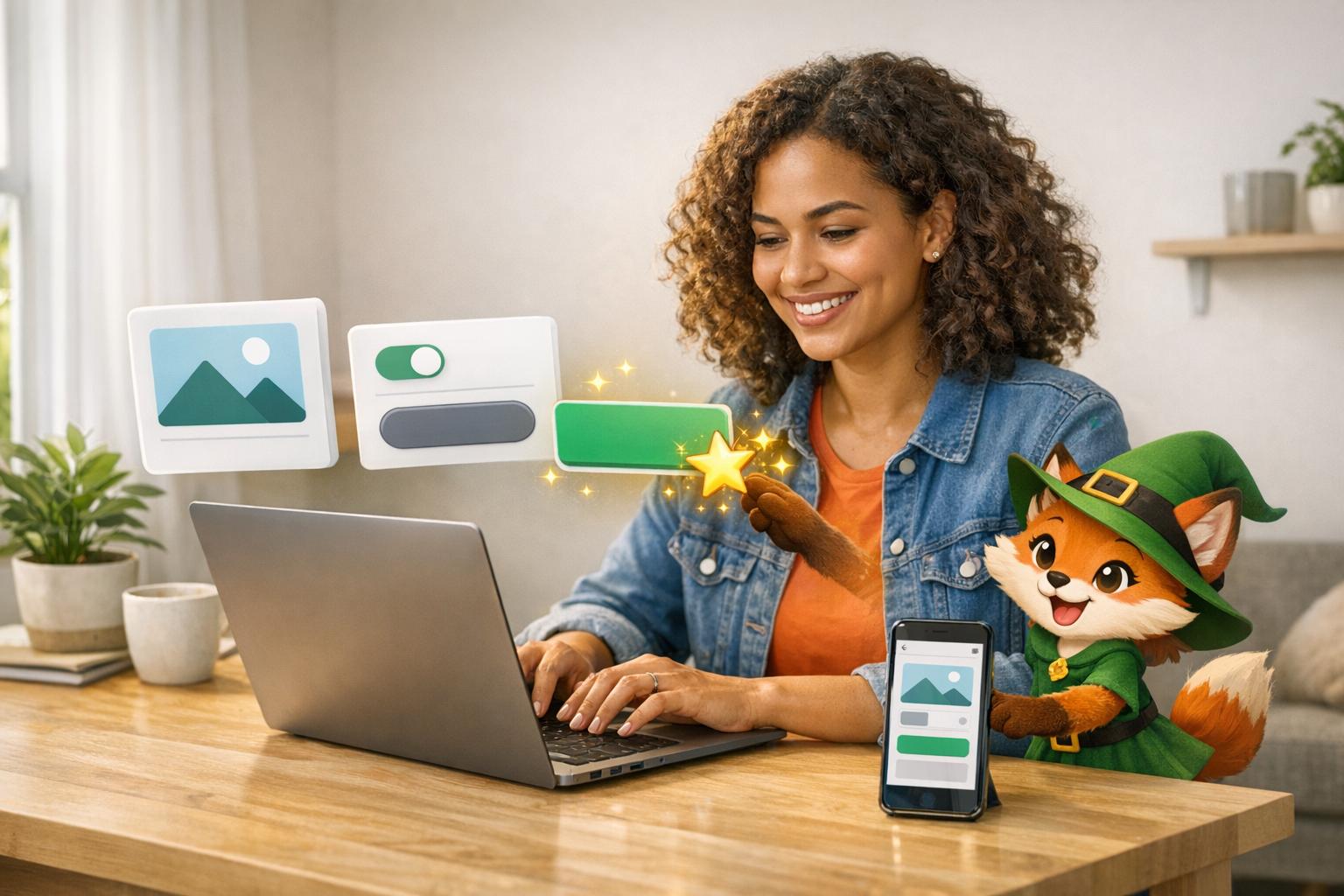
Ada, Adalo's AI builder, lets you describe what you want and generates your app. Magic Start creates complete app foundations from a description, while Magic Add adds features through natural language.
For those building with Adalo, the path from idea to advertised app is particularly streamlined. Magic Start generates complete app foundations from simple descriptions, and one codebase publishes to web, iOS, and Android simultaneously. With unlimited database records on paid plans and no usage-based charges, you can scale your user base through advertising without worrying about infrastructure costs growing unpredictably. Over 3 million apps have been created on the platform, with the visual builder described as "easy as PowerPoint" for those who prefer hands-on design.
FAQ
Why choose Adalo over other app building solutions?
Adalo is an AI-powered app builder that creates true native iOS and Android apps from a single codebase. Unlike web wrappers or progressive web apps, Adalo compiles to native code and publishes directly to both the Apple App Store and Google Play Store—essential for running app store ads and accessing organic discovery.
What's the fastest way to build and publish an app to the App Store?
Adalo's drag-and-drop interface and AI-assisted building let you go from idea to published app in days rather than months. Magic Start generates complete app foundations from descriptions, and Adalo handles the complex App Store submission process including certificates, provisioning profiles, and store guidelines.
Can I run app store ads for apps built without coding?
Yes, but only if your app is natively published to the app stores. Adalo publishes true native apps to both the Apple App Store and Google Play, giving you full access to Apple Search Ads and Google App Campaigns. Web apps and progressive web apps cannot access these advertising platforms.
How much do app store ads typically cost?
In the US, expect roughly $2 per install on the iOS App Store and $1.72 per install on Google Play Store. Factor these cost-per-install rates into your marketing budget before launching campaigns—a $500 test might yield 250-290 installs depending on the platform.
What's the difference between iOS and Google Play advertising?
iOS App Store ads require manual setup through Apple Ads where you select your app, geography, and budget. Google Play automatically designs ads using your app listing content and distributes them across the Play Store, YouTube, and Google's network—less design work but requires a polished store listing.
What makes an effective mobile app ad?
Effective app ads need a powerful headline, a clear summary of benefits (not features), conversational language, one clear call to action, and standout visuals. Focus on outcomes your users care about rather than technical capabilities.
What should I track after my app ads start running?
Monitor which ads drive quality installs (users who stay) versus downloads that immediately churn. Track cost per install, retention rates, and lifetime value to optimize your ad spend over time. Strong reviews improve ad conversion rates.
How much does it cost to build an app ready for advertising?
Adalo's paid plans start at $36/month with unlimited usage, unlimited database records, and app store publishing with unlimited updates. Competing platforms like Bubble start at $59/month with usage-based charges and record limits, while Glide ($60/month) doesn't support app store publishing at all.