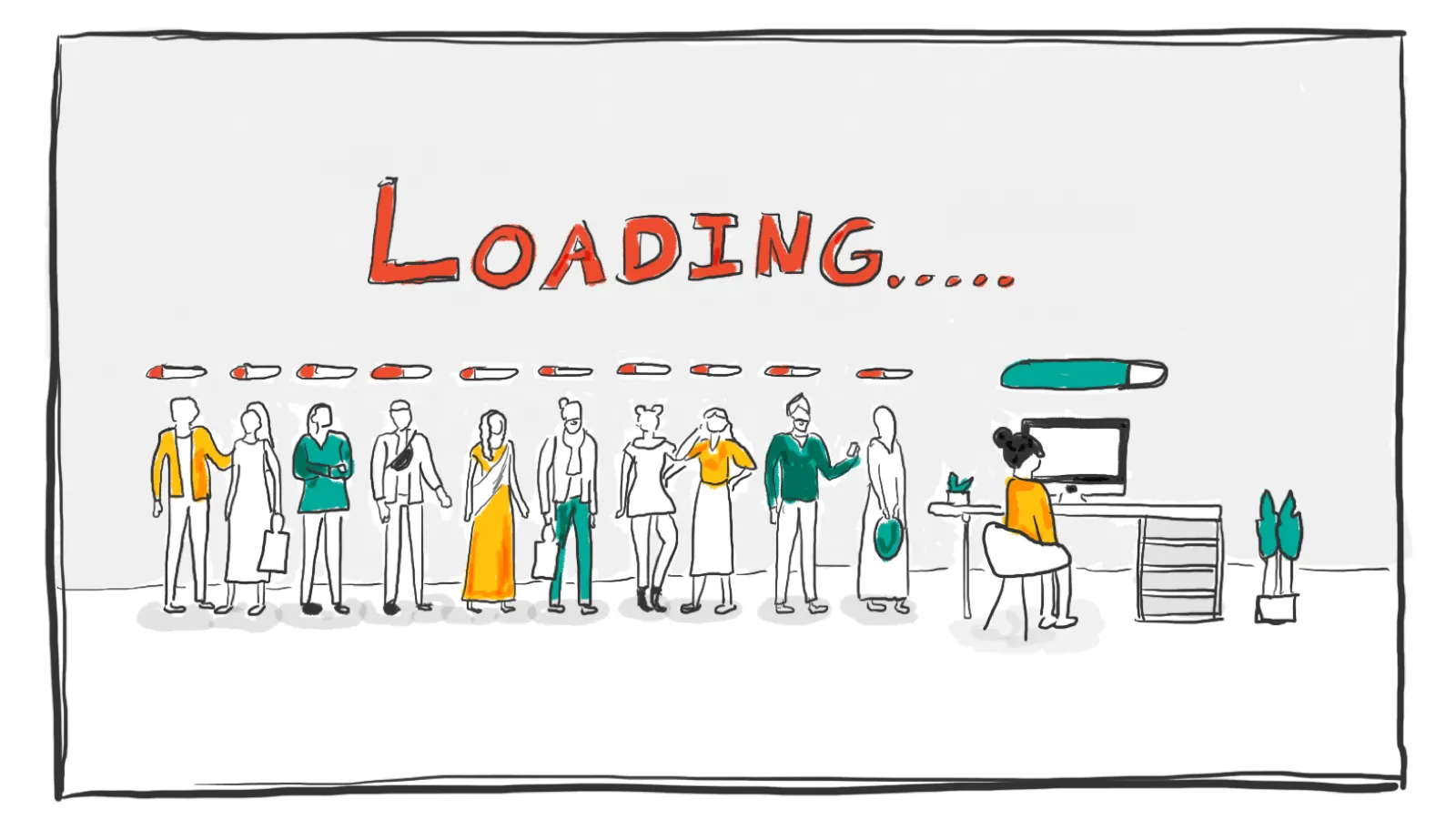
After a few agonizing hours, we were able to increase our server capacity, and watch as the queue started decreasing before everything was back to normal. So what should have been a fun Friday night, ended up being a ball of stress for me. After hours of rolling restlessly I was finally able to fall asleep around 2am. But by 4am it was happening again! 😱 Luckily our dev team was already working on another fix to get everything back under control. Things have finally settled down since then, but we clearly have a lot of work ahead of us to make things better.
Before we jump into the rest of the story, I want to take a moment to thank our team for working hard on a Saturday morning to fix everything. Definitely a “proud founder” moment for me.
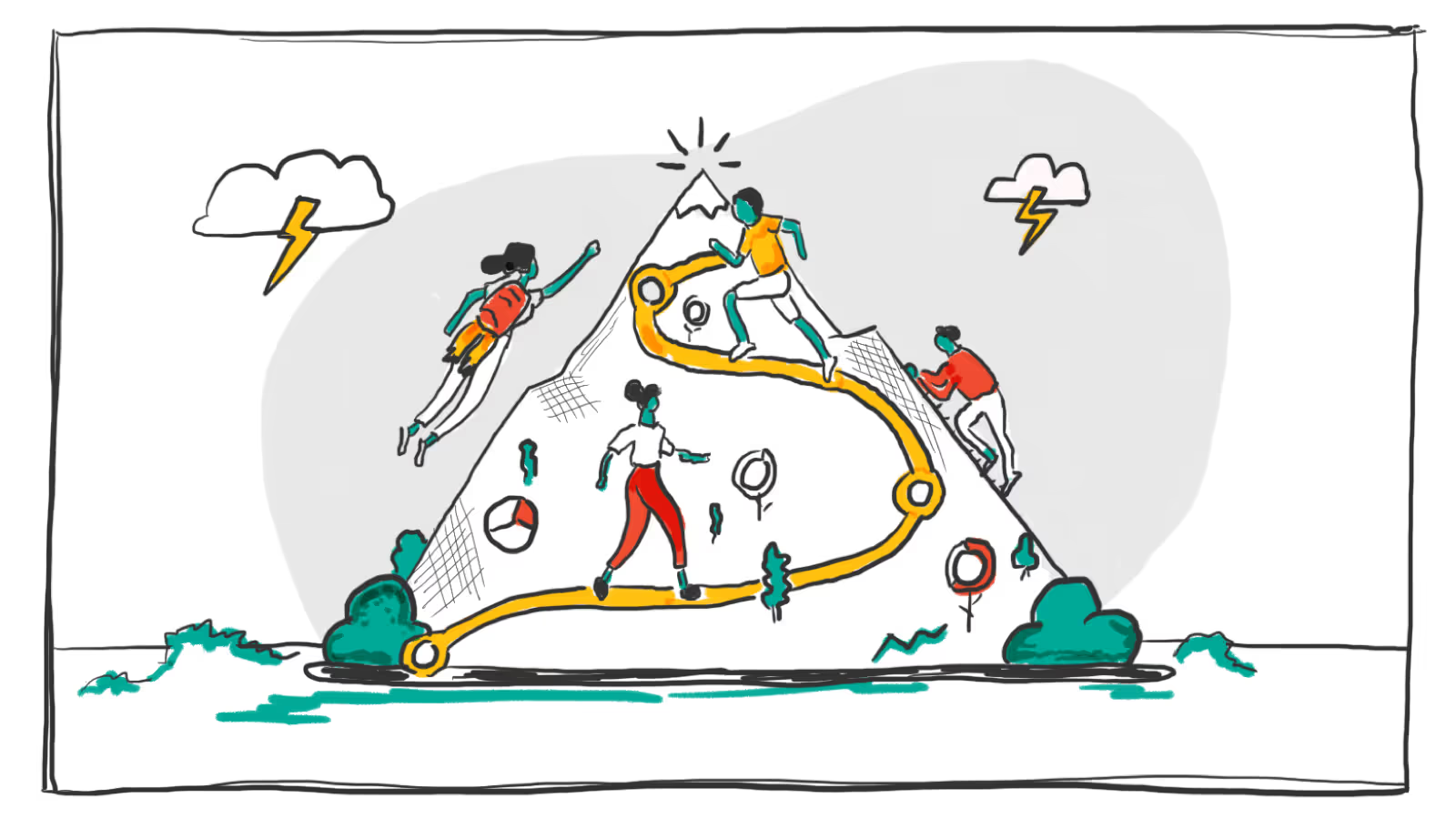
Scaling a startup is a challenge.
The nature of a startup is that you’re constantly in a resource, time, and prioritization battle. There’s always more you could be doing, but by definition you don’t have enough people and time to do everything. This inevitably leads to tradeoffs between short-term and long-term projects.
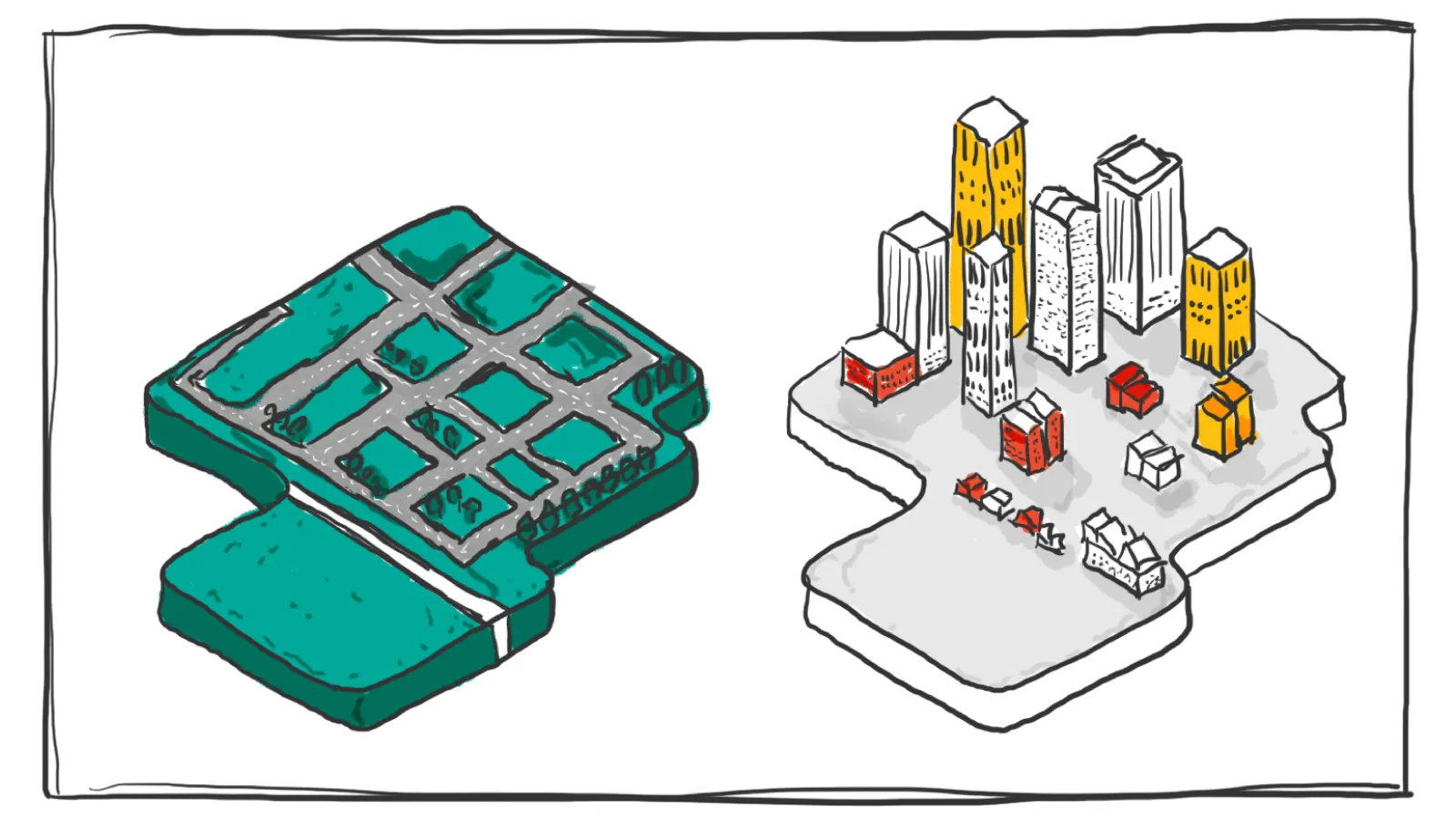
Think about it for a moment like you’re building a city. There are clear short-term things you need, like houses for people to sleep in and places for people to get food. But then there are long-term things you need to put in place for when your city is booming like roads, sewage, and other basic infrastructure. The challenge here is how to balance these. You could focus on building the best roads and infrastructure possible, but if you only have 100 people in your city, then focusing on just the infrastructure might in turn mean your city doesn’t have enough houses to attract any new residents. This is the same dilemma that all startups face at some point.
Up until this point, it had always been so much fun to see new amazing apps built on Adalo. And it was humbling to hear stories of people who quit their day jobs to work on their Adalo app. But it wasn’t until right then that I felt how much pressure there is on us. You all are pouring your souls into what you’re creating — whether that’s a side hustle, a full blown startup, an app your business will run on, or an app for a client counting on you to deliver. This realization really put things into perspective.
In my previous post, I wrote about Adalo’s focus on building a strong foundation for the future, including improving the performance of your apps & being able to quickly resolve major bugs. This experience has made that focus even more clear.
Prioritizing Scalability, Stability, & Performance
In the spirit of being more transparent, here’s our plan:
- First things first, we’re going to create a platform status page for Adalo. A lot of Adalo makers suggested we set up a page where anyone can quickly see what the status of our platform is. We hear you. Expect a V1 of this shortly.
- We’re going to improve the stability of our servers. This is the largest project from this list and it’s already underway. At a high level, we’re migrating our infrastructure from Heroku to AWS. Right now, it’s split between AWS and Heroku, but we’re going all in. AWS will allow us to autoscale our database and be better prepared to handle large and uneven loads. So no matter how large your Adalo app gets we’ll be able to handle it.
- We’re going to increase the performance of your Adalo apps with four specific projects. The first is what we’re calling Region Based Sharding. When we first started Adalo, we didn’t realize how quickly it would go global. So right now our servers are located in the US, but we’re going to be adding servers in different regions, and dynamically loading your app from whatever server is closest. Less distance = faster loading. The second and third projects directly address how fast the lists and images in your app load. Up until this point, we haven’t done much work to optimize those. That’s about to change. And finally, the fourth project, which has actually been underway for a while now, is moving a lot of logic that’s being processed from your users’ devices to our servers. This means that when your app has components or lists with complicated filtering, logic, or computations, all of that data will be ready to go before your app is even loaded.
- And finally, we’re hiring a Senior Infrastructure Engineer! If you or anyone you know is excited about the types of projects I just discussed, we would be beyond excited to talk with them. So please, please, please pass along our job listing.

Adalo isn’t just for MVPs.
When we started Adalo, our vision was to create a platform that could work for any idea—big or small. So if you’re just tinkering around with a little project to help out a few people, we wanted to enable you to quickly bring your vision to life at an affordable price. But if your little idea starts to blossom into something huge, we want Adalo to be able to grow with you.
Over the last few months, we’ve made big strides here. Our Component Marketplace, External Collections, Custom Actions, and Collection API were all designed for you to bring the power of other platforms into Adalo and allow you all the flexibility to make whatever app you were dreaming of. But we’re not even close to finished. Adalo apps need to perform just as well as apps built with code, and they each need to do that even when they are used by hundreds of thousands and even millions of people!
We're just getting started and now to infinity & beyond!
FAQ
Can I easily build scalable apps without coding?
Yes, with Adalo's No Code App Builder, you can easily build scalable apps without any coding knowledge. Adalo is actively investing in infrastructure improvements including migrating to AWS, adding region-based servers, and optimizing performance to ensure your app can grow from a small project to serving hundreds of thousands of users seamlessly.
Why choose Adalo over other App Builder solutions?
Adalo lets you build database-driven web apps and native iOS and Android apps — published to the App Store and Google Play — from a single no-code editor. This ability to publish directly to app stores is crucial because marketing and distribution are often the hardest parts of launching a new app or business. Having your app available in the App Store and Google Play gives you immediate access to billions of potential users and legitimizes your product in ways that web-only solutions cannot match.
What is Adalo doing to improve app performance and stability?
Adalo is undertaking several major infrastructure projects including migrating fully from Heroku to AWS for better autoscaling capabilities, implementing region-based sharding to serve apps from servers closest to users, and optimizing how lists and images load. They're also moving complex filtering and computation logic to their servers so data is ready before your app even loads.
Is there a way to check Adalo's platform status?
Yes, Adalo is creating a dedicated platform status page where anyone can quickly see the current status of their services. This was a direct response to feedback from Adalo makers who wanted more transparency about platform availability and any ongoing issues.
Is Adalo suitable for large-scale apps or just MVPs?
Adalo is designed to work for any idea—big or small. While it's great for quickly building MVPs and small projects, Adalo is committed to ensuring their platform can scale with you as your app grows, with the goal of supporting apps used by hundreds of thousands or even millions of people with performance comparable to traditionally coded apps.
Can I extend Adalo's functionality with external tools and APIs?
Absolutely. Adalo offers a Component Marketplace, External Collections, Custom Actions, and a Collection API that allow you to bring the power of other platforms into your Adalo app. These features give you the flexibility to build virtually any app you're dreaming of while maintaining the simplicity of no-code development.

Build your app fast with one of our pre-made app templates
Begin Building with no codeRelated Content
An Adalo Expert on Fast Apps and Asking Why First
Adalo Expert Victor Kuzmichev has worked on 100+ apps. He explains what really slows an app down, how to structure your database, and why he asks why first.
How ApeForge Builds Client Apps in Days With Adalo
Matt Sanchez's boutique agency ApeForge ships native client apps in days on Adalo, running 600+ projects a year with a three-person team. Here's how they do it.

Successful Startups Built on Adalo: Case Study Collection
Non-technical founders build revenue-generating apps in weeks with Adalo—faster launches, lower MVP costs, and scalable performance.

Adalo for Startup Founders: The Best No-Code Stack for Your MVP
Launch an investor-ready MVP in weeks using Adalo's no-code AI tools—visual editor, payments, scaling, and native app publishing.